
How to Choose a Power Bank Manufacturer for Your Brand
A practical sourcing framework for brands and distributors comparing a power bank manufacturer, from the first project brief to an approved production sample.
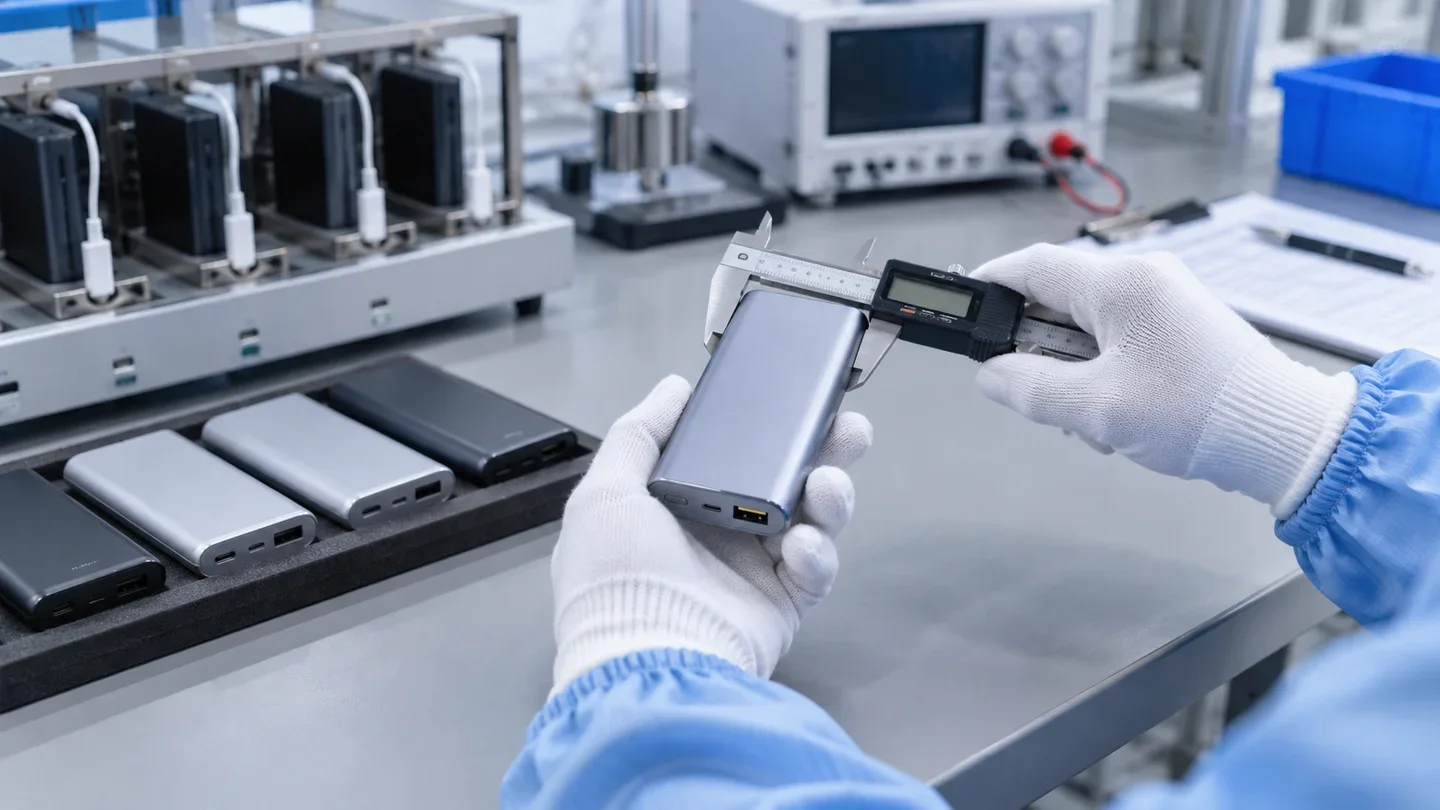
Choosing a power bank manufacturer is easier when every candidate receives the same project brief. A headline price rarely explains the cell specification, charging behavior, packaging scope or inspection criteria behind the quotation. Start by defining what your customer needs, then compare the evidence each supplier can provide.
Define the product before requesting a price
Describe the intended user and sales channel. A travel accessory, a branded corporate gift and a retail charging product may require different designs and packaging. Share your target countries, preferred size and weight, capacity requirement, port layout and supported charging functions. If a requirement is still open, identify it as a decision to make rather than a confirmed specification.
- Product format: wired, magnetic or another agreed design.
- Target devices and the charging functions you want to verify.
- Planned first order and possible repeat-order range.
- Logo method, colors, packaging and included accessories.
- Target market, sample deadline and intended launch window.
Our power bank manufacturer page introduces the project discussion, while the product catalog helps you shortlist currently published models. Confirm the specifications of the selected model directly before approving an order.
Compare manufacturing scope and evidence
Ask whether the supplier is offering an existing model with your brand, a modification to an existing design or a new development project. These routes can involve different tooling, validation work and ownership arrangements. Ask who owns the tooling and artwork, what changes are included, and who handles a future engineering change.
Review evidence for the exact model
A company profile is useful background, but it is not a substitute for model-level documentation. Request the specification sheet, an example inspection record and the documents relevant to your market and logistics plan. Check that the model identifiers, battery configuration and stated revision match the product you are buying. Confirm current requirements with your importer, laboratory or logistics provider rather than relying on a generic certificate image.
Create a sample approval checklist
Agree on a written checklist before samples are shipped. Review appearance, assembly, labeling, port fit, packaging and the charging behavior for your chosen devices. Record the device, cable and adapter used so a later result can be compared fairly. Define how the supplier will respond if a sample differs from the specification.
Treat the approved sample and document revision as a reference for production. Keep photographs, measurements, agreed tolerances and packaging artwork with the purchase record. If a material, component or firmware revision changes, request a documented review before the production batch is released.
Evaluate quality control and communication
Ask how incoming materials, production checks and finished goods inspection connect to your order. Clarify which inspection records are available, how batches are identified, and how a defect or customer complaint will be investigated. A useful discussion is specific: what is checked, against which criteria, and who approves a shipment when there is an exception?
Give equal attention to communication. Identify the commercial contact and technical contact, the expected response window and the escalation path. Clear ownership helps when packaging changes, sample feedback or shipment documents need a decision.
Compare quotations on the same basis
Build a comparison sheet that separates the product, customization, packaging, accessories, tooling and freight assumptions. Ask for the quoted trade terms, payment milestones, validity period and the conditions that start the lead-time clock. An order with approved artwork and materials ready is different from a project awaiting design decisions.
The final choice should fit your product requirements and operating process, not just a low starting price. For an actionable quotation, use the custom power bank RFQ checklist, then send your project brief with the decisions and open questions clearly marked.